

The pros and cons of using a dumb phone over a smartphone in 2026
Dumb phones are cheap and distraction-free, but you'll probably miss your smartphone.
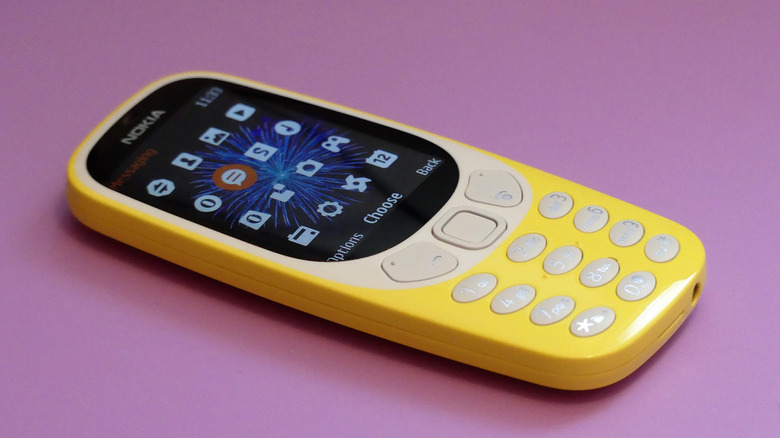
Smartphones have become the standard for mobile devices, even if you don't use many of the features they offer. Still, there seems to be a demand for what are now called "dumb phones" — cheap, old-school-style phones that offer only basic features like calls and text messages. Some of them have a camera and can run apps, but they aren't really designed for that type of business. The idea here is to get rid of the distractions of modern smartphones.
But does that really make sense in today's world? Here's what you should know about these pared-down devices in order to make a smart decision about owning a dumb phone in 2026 and beyond.
What's the real benefit of a dumb phone?
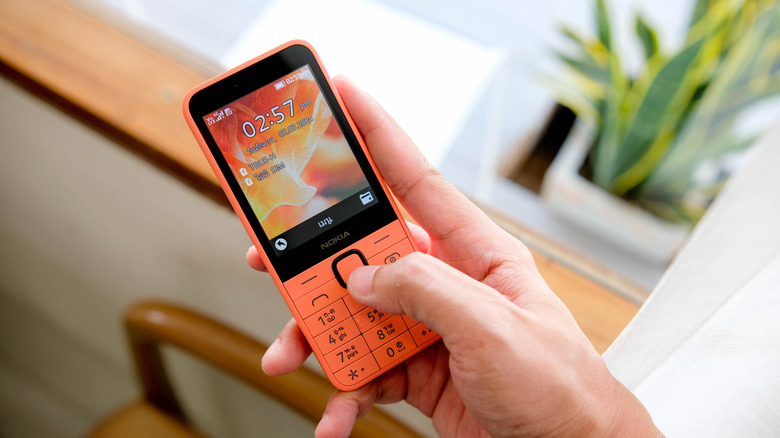
For most people looking for a dumb phone, less screen time seems to be the biggest benefit. It can be hard to avoid social media, emails and constant notifications on a smartphone, even with features like the iPhone's Screen Time. For those who can't go a few minutes without checking their cell screen, simply setting a limit on apps usually doesn't help much. With a dumb phone, you can't even install most of those apps. Many dumb phones are limited to running built-in apps for making calls, sending messages and setting alarms. Others run a basic version of Android that lets you install some apps, including games, GPS navigation and music players, but compared with modern smartphones, they won't let you do much.
Battery life is another plus here. With small screens and underpowered chips, these phones can last for days on a single charge. That's the case with the TCL Flip Go, a dumb phone with a battery rated to last around 14 days on standby. There simply isn't a regular smartphone capable of going that long without being plugged in, so these dumb phones can be great companions for specific adventures like road trips or hikes.
Another thing people like about dumb phones is privacy — having a phone without third-party apps means fewer trackers collecting your data to sell to advertisers. These phones are also very cheap and usually cost less than $100 in the US, while the lowest-priced Android phones usually cost twice as much.
What you give up with a dumb phone
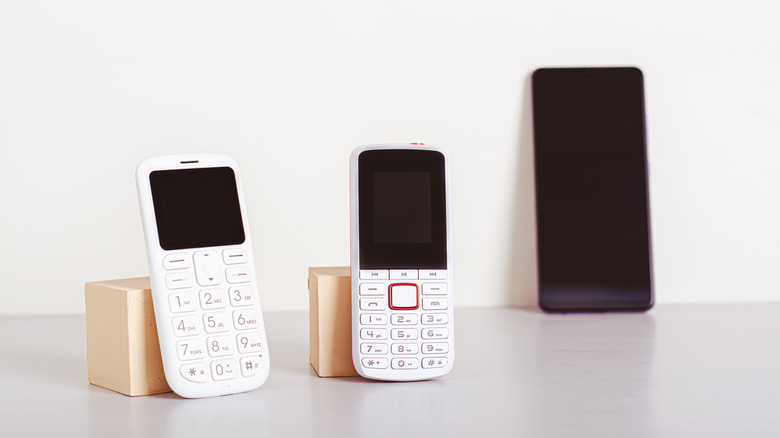
The thing is, you probably shouldn't replace your regular smartphone with a dumb phone. Having one of these means you're giving up a lot of convenience, such as mobile wallets like Apple Pay or Samsung Pay, or having a good portable camera with you. Plus, if you go with a model that doesn't run any third-party apps, you won't be able to get an Uber or use Google Maps. Streaming apps like Spotify or Apple Music may also not be available on these phones.
Messaging works, but you'll probably have to rely on SMS or RCS — there's no iMessage, and in many cases, not even WhatsApp or Telegram. Internet access also varies among these phones, with most of them limited to 4G networks. There are some that work on 5G networks, but these are harder to find and are also more expensive. You'll additionally sacrifice two-factor authentication apps like Google Authenticator, and banking apps probably won't work either.
There are good reasons to have a dumb phone, sure, especially if you've been feeling overwhelmed by notifications and algorithms. But in all practicality, it's best to think of it as a second option to the smartphone you already have, not as a full replacement.