

Why SNES games are so expensive
Interest in retro games is booming, but there are only so many old cartridges going around.
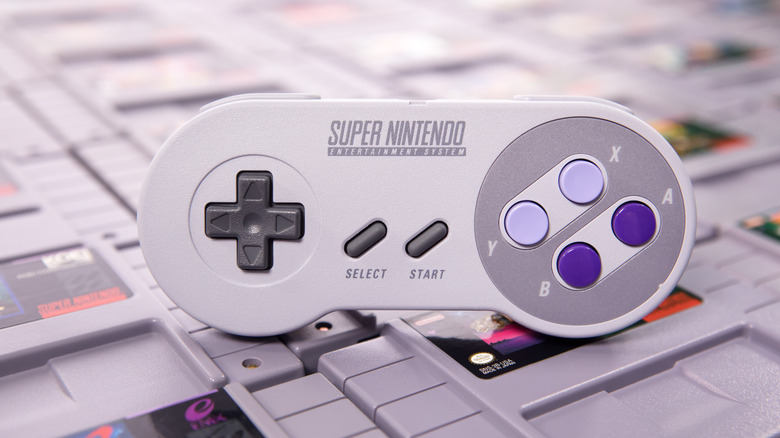
Although you can play with an emulator like Super ZSNES, there's just something about physically having your favorite SNES games to hold and admire sitting on your shelf. If you've been trying to track down a copy of an old SNES game for a fun dose of nostalgia, you might have gotten a bit of sticker shock at how much titles are still selling for in 2026. It's not to say the inherent value of retro games isn't always comparable with their actual price, but SNES games in particular often seem to be an expensive outlier.
The SNES has been around for a long time: it was released in Japan in late 1990 (known there as the Super Famicom), then arrived in the United States in 1991. Across all countries, the SNES sold just over 49 million units. Though these sales numbers somewhat pale in comparison to those seen with other Nintendo releases like the Wii or even the original NES (which sold over 10 million more units), decades later the popularity of the SNES endures. But why is taking a trip down memory lane so expensive with this particular console's library?
Why SNES games cost so much
Much of the pricing behind SNES games comes from scarcity. The cartridges have long stopped being produced by Nintendo, meaning there's a finite number circulating in 2026. There were just over 379 million software units sold during the console's lifespan, which sounds high, but compared to numbers like the Wii's over 921 million units, it's relatively small potatoes. This is compounded even more by the fact that many of those 379 million units wound up broken, misplaced or otherwise lost to time since the '90s. This phenomenon isn't exclusive to the SNES, either — GameCube games are notoriously expensive, for example, due to the low amount produced at the time. A limited supply mixed with ever-growing demand is a recipe for high prices regardless of console.
This also explains why the price gouging isn't universal, at least not to an extreme degree. Loose copies of massively-produced games like Super Mario World, for example, still go for around $17 on eBay. Conversely, the infamously-rare Earthbound only sold about 140,000 copies in the United States, and this paired with its now cult-classic status prices a loose version of the title at almost $400 on average.
Even though some SNES game prices are exorbitant, it also comes down to what people are willing to pay. Those who were children during the SNES heyday are now fully-fledged adults with disposable income, often willing to pay hundreds to have their favorite games back on the shelf. For others, it's about finally owning something they always wanted at the time: A 2025 study of the British public found that, out of the 71 percent surveyed who indicated there was a specific piece of retro tech they wished they'd owned as a child, 45 percent were looking into purchasing it. If there's a proven track record of people paying good money for Earthbound, why would any sensible seller go against their own profits?
The rise of retro gaming
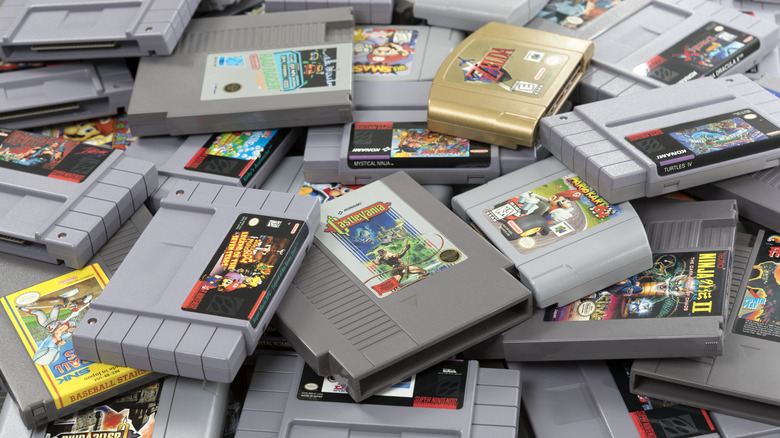
Things weren't always so rough in the retro game market. In 2010, you could buy a copy of Zelda: A Link to the Past for about $17; it's now more than doubled and on average sells for around $45. There's been a big increase of interest in retro gaming since the 2010s, which can be attributed to several different factors, and in turn there's been a consistent rise in prices. Of course, one of the most obvious is simply the natural nostalgia that's grown with the passage of time. We're now further removed from the SNES era, and gaming has become much more technologically complex, leading to a bigger craving for the good ol' days.
An interest in retro gaming isn't relegated only to those that were alive at the time. There have been several new avenues for a completely new audience to become interested in SNES games, from the rise of let's plays on YouTube (which one could argue is at least somewhat tied to the site's 2012 algorithm change that began prioritizing total watch time instead of clicks) to the popularity of retro games within the speedrunning community. Showcases like Awesome Games Done Quick tend to have a higher concentration of classic games versus newer ones due to more documentation and a generally higher percentage of exploits. Super Metroid for the SNES is one of the most featured games across the history of the event, making it no mystery why it sells for just over $90 on average.
On top of that, services like Nintendo Switch Online's ever-growing library of classic games and an influx of remakes have given many new players a taste of retro titles. Super Mario RPG, for example, was remade for the Nintendo Switch in 2023, but the original SNES version and the remake currently sell for almost exactly the same price, with the remake retailing at $60 and the original at around $65. Even with options like remakes, emulators and Nintendo's online rereleases, for some players it's original copy or bust, regardless of the price.