

Apple's iPhone market share rose despite a downturn in smartphone shipments
On the other hand, Xiaomi, Oppo and Vivo had a terrible Q3.
With no end in sight to the memory crunch, the smartphone market has fallen to a low not seen in more than a decade. According to market analysis firm Counterpoint Research, this past summer shipments of new smartphones declined by 20 percent year-over-year to their lowest Q3 level since 2012. The firm says "relentless" increases in DRAM and NAND pricing led to "sharply inflated" material costs, further exacerbating existing supply shortages and "significantly disrupting" shipments.
Rather than take a temporary hit, naturally OEMs are passing those costs onto consumers. As a result, global retail smartphone prices are up 20 percent since the start of the year, with no sign of a course correction in the immediate future. Counterpoint notes the effect memory shortages are having on the market are so significant it's changing consumer behavior. People are responding by holding onto their existing phones for longer, and they're increasingly considering refurbished devices. Interestingly, at the same time some people are opting for more expensive premium devices. Meanwhile, manufacturers are adjusting their strategies to "protect profitability." Nothing new there.
What is new is how the shortages are affecting the industry's dominant players. Samsung remains the world's largest phone manufacturer. The company's market share rose four percentage points to 23 percent this past quarter, despite a three percent decline year-over-year in shipment volume. Among other factors, Counterpoint credits Samsung's performance partly to "robust" early demand for the Galaxy Fold 8 following its release in early August.
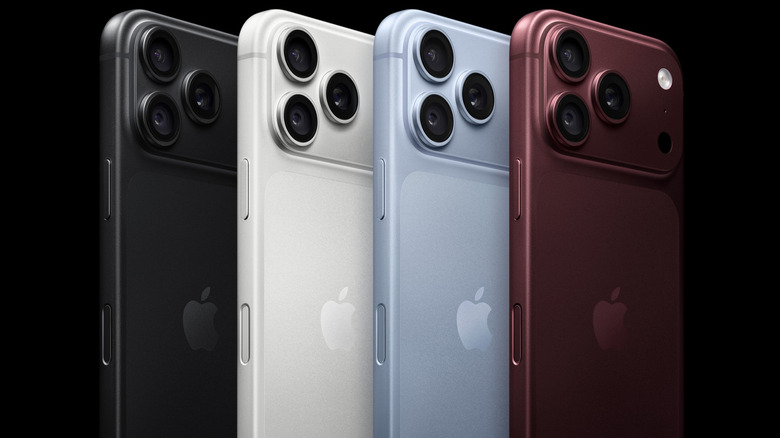
Apple also had a strong quarter despite a decline in shipment volume. For the first time in any Q3, the company captured more than 20 percent of the market, with its share increasing from 18 percent to 22 percent year-over-year. This is somewhat surprising given Apple has yet to release the base model iPhone 18. Counterpoint credits the company's current position to a strong iPhone 18 Pro launch, and "sustained momentum" from the iPhone 17.
On the other hand, China's trio of Xiaomi, Oppo and Vivo had a terrible Q3. Due to a greater than 30 percent year-over-year decline in shipments, Xiaomi's market share sits at 10 percent, down from 14 percent a year earlier. Oppo and Vivo fared only slightly better, seeing their shipments drop more than 20 percent from Q3 2025. In turn, that led to their market share falling to 9 percent and 8 percent, respectively.
Looking forward, Counterpoint says the outlook for the rest of 2026 "remains challenging," with a greater focus on premium devices "likely to continue." Joy.