

Here's what typically drains an EV battery the fastest
Fast highway driving, carrying excess weight, heat and air-conditioning will cut your EV's range.
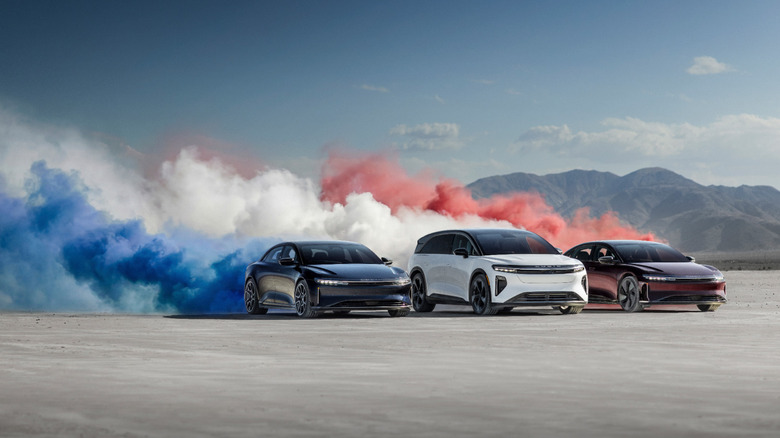
Maximum electric-vehicle ranges are on the rise. And while some models still struggle to reach the 250-mile mark, advancements in battery and charging technologies have made EVs are more capable of handling long commutes and road trips.
According to electric vehicle watchdog Recurrent, the average real-world range of 2026 EV models rose to 325 miles, an impressive number somewhat tempered by the market's shift toward the less efficient trucks and SUVs. Some models, like the Lucid Air, Chevrolet Silverado EV and BMW i3 can travel well over 400 miles between charges. Likewise, charging times are shortening, with many drivers able to add 100 miles of range in less than 10 minutes due to the spread of 800-volt architectures, better thermal management systems, and flat charging curves.
When it comes to electric vehicles, however, not every drive is created equal. Instead, factors like speed, weather, car weight and air-conditioning can have an outsized effect on your car's energy usage. So underwhelming performance may not mean that it's time to replace your EV battery. Instead, understanding these factors and how to navigate them is key to realizing your EV's peak performance. And just a few simple fixes can easily extend your car's battery.
What drains your EV battery?
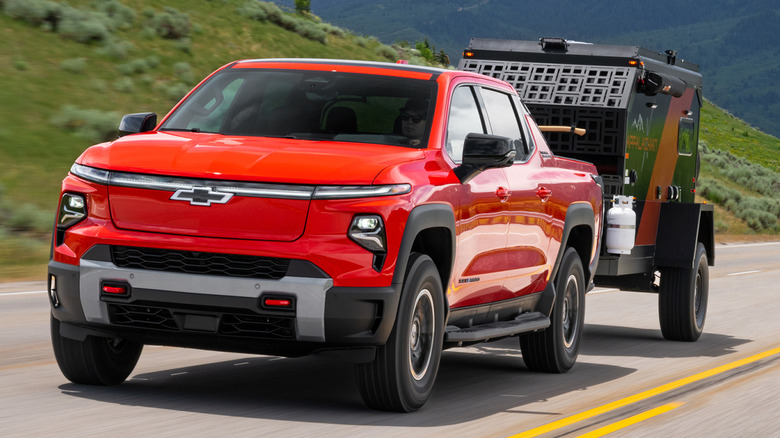
Unlike your typical gas guzzler, whose internal battery is charged while in motion, driving your EV inherently drains your battery. Of course, certain driving behaviors are likely to drain your EV battery faster than others. However, much of the logic governing gas conservation is counterintuitive to driving your EV.
One major difference is that EVs burn through their battery stores faster on the highway than in stop-and-go traffic. For one thing, higher speeds require your battery to consume more energy. This is particularly true when accelerating, as sudden bursts of speed require larger stores of electricity. Highway driving also leads to more aerodynamic drag and tire friction, making this energy expenditure less efficient. Moreover, driving on the highway means your battery doesn't benefit from the gains of regenerative braking, in which your EV redirects the kinetic energy lost while braking into its battery's cells, extending your battery life as much as 20%.
Your internal electronics can also lower your EV's range. Your car's air-conditioner can drain several miles of range from your battery every hour. Having your car's heater on can similarly take a toll on your EV's battery. However, the effect of your navigation, infotainment, and USB devices is minimal.
Extraneous factors can also drain your battery. Extreme weather, for instance, can cause your battery's range to fluctuate. A 2025 study by Recurrent, for instance, found that an EV's range could drop by nearly a third when temperatures drop below freezing. Recurrent found that, though the degree of drainage varies widely depending on your car's manufacturer. When temperatures reach a blazing 100 degrees, meanwhile, Recurrent found that EV range can dip around 18%. Other outside influences, such as the weight of your car's cargo and passengers, can further reduce your vehicle's operating range.
Maximizing your range
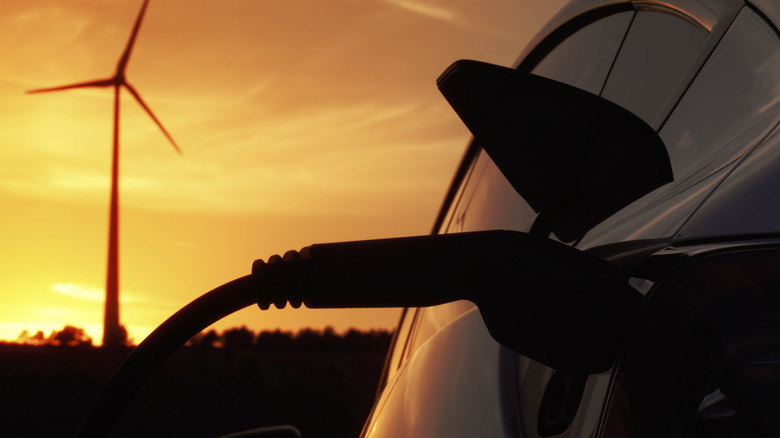
You can take several steps to maximize your EV's battery life. For one thing, eliminating unnecessary weight can help limit the drain on your car's battery. Removing unnecessary objects from your trunk, like heavy equipment, will go a long way. Other simple lifestyle changes, such as reducing your AC or heater usage, can maximize your car's range. Since your EV is already operating on lower performance thresholds during extreme weather, moderating your climate control usage could prevent yourself from compounding the adverse effects on its range. If a comfortable cabin is a must, you can turn on your heater or air-conditioning while your car is still connected to the charger to ensure you don't waste valuable battery life.
Perhaps the greatest change you can make is to your driving style. For one thing, refrain from attempting to set any speed records when driving your electric vehicle. Of course, this doesn't mean you need to drive like your grandmother in the rain; it's about striking a balance between convenience and sustainability. According to GridServe, driving 60 mph rather than 70 can significantly reduce your battery's energy consumption, potentially saving you roughly six miles of battery life per hour. And it helps to increase your speed gradually rather than rapid accelerations that consume large bursts of energy. Avoid using features like your car's boost button if range may be a concern. Driving in ways that take advantage of regenerative braking can do wonders for your range.
Most EVs help drivers maximize their battery usage. Several manufacturers, including Chevrolet, Hyundai, and Mercedes-Benz enable drivers to monitor energy consumption directly in their infotainment or phone apps. To check what may be affecting your car's battery health, dive into your car's manual, app, and infotainment system.