

How Xiaomi, Oppo and other non-US brands are challenging the iPhone Duo
The foldable phone market heats up as new competitors emerge.
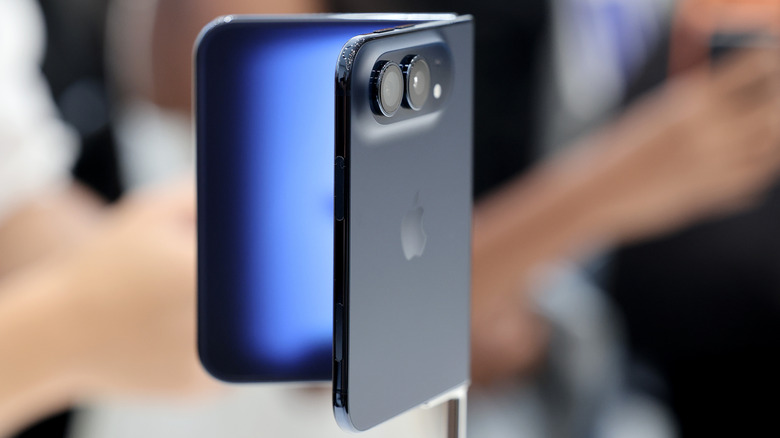
While Apple is already selling the iPhone 18 Pro, the world is waiting for the iPhone Duo — the first foldable iPhone. It won't hit stores until October 23, with pre-orders beginning a week earlier.
But Apple's competitors have had their eyes on it for quite some time. In fact, the market has been gearing up for the iPhone Duo long before Apple even officially announced it. That's no wonder, since there was a lot of anticipation about what exactly Apple would do differently in the foldable device world that's been around for some time now.
The competition will be fierce: Xiaomi, Oppo, Motorola and Samsung are just a few examples of companies that have been exploring the idea of foldable phones that look a lot like the iPhone Duo. And like the Duo, most of them now have a foldable device in a "passport" format. But will that be enough to compete with Apple?
Xiaomi and Samsung went wide first
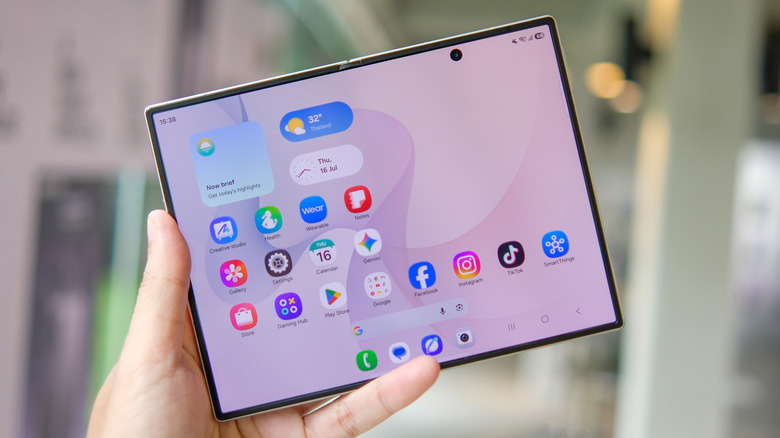
The Xiaomi 18 Fold arrived just days before the iPhone Duo was unveiled, and specs-wise, they're quite similar. Both have a 7.6-inch inner screen and a 5.4-inch outer screen with the same aspect ratio, giving the phone a passport-like shape. But there are a few areas where the Xiaomi 18 Fold comes out on top: it's lighter than the iPhone Duo, weighing 219 grams compared to the iPhone's 254 grams.
The Chinese brand is also betting on a better camera setup, with three lenses on the back. iPhone users who opt for the Duo will miss out on that extra optical zoom range. The price is also more aggressive: Xiaomi's foldable phone starts at 10,999 yuan (about $1,640), but it will only be available in China for now.
In the US, the iPhone Duo's main competitor is likely to be Samsung's Galaxy Z Fold8. The new base Z Fold ditches the near-square design of previous models in favor of the wider "passport" shape, with 7.6-inch and 5.5-inch screens. Unlike Xiaomi, Samsung opted for a straighter design with no curved corners. Our review gave it an 8.9 out of 10 and called it a better device for watching shows and movies than the more expensive Z Fold8 Ultra, which keeps the original square-ish shape. It also has two rear cameras, like Apple's model.
The Z Fold8 definitely turned heads after its launch in August, but the Duo could put an end to that. Samsung's offering begins at $1,900, only $100 less than the iPhone Duo's starting price.
Oppo and Motorola push battery and charging
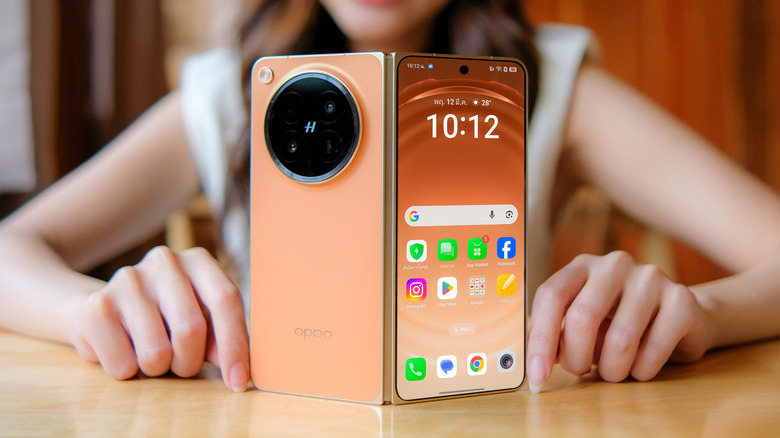
Oppo's Find N6 took a different approach. It kept the more conventional foldable design seen in devices like the Z Fold8 Ultra, with a 6.62-inch outer display and an 8.12-inch inner display. But its standout feature is its thinness; it's just 8.93mm thick when closed, much closer to the 8.75mm of an iPhone 18 Pro. The Duo measures 11.3 mm when closed.
And if battery life is a major concern, you'll appreciate the Oppo being packed with a 6,000mAh battery — that's 1,600mAh more than the Z Fold7. It also supports 80W wired fast charging. If that's not enough, the Find N6 includes IP59 certification and a 200-megapixel main camera. While targeted at the Asian market, there is a "global model" that should work in other parts of the world, though it's not officially for sale in the US. It also costs less than the iPhone Duo, starting at 9,999 yuan (about $1,490).
The Motorola Razr Fold is another option you can find in US stores, and one that utilizes a more conventional foldable design. It has a 6.6-inch outer screen that unfolds into an 8.1-inch inner screen with an impressive peak brightness of 6,000 nits (compared to the iPhone Duo's max of 3,000 nits). It also comes with a massive 6,000mAh battery, 80W charging and a triple-camera system, so you get optical zoom for photos and videos. The inner display also supports a stylus (a $100 add-on), with the Razr Fold starting at $1,900.
So while the competition is tough, Apple has shown it's ready to compete with the iPhone Duo. Many of its best tricks come down to software. iOS 27 comes with plenty of optimizations for the foldable form factor, including cool animations when you switch between displays and varied usage modes.