

The US government plans to use AI to help redact documents
The DHS will use Google's AI tools to recommend information to be blacked out of FOIA requests.
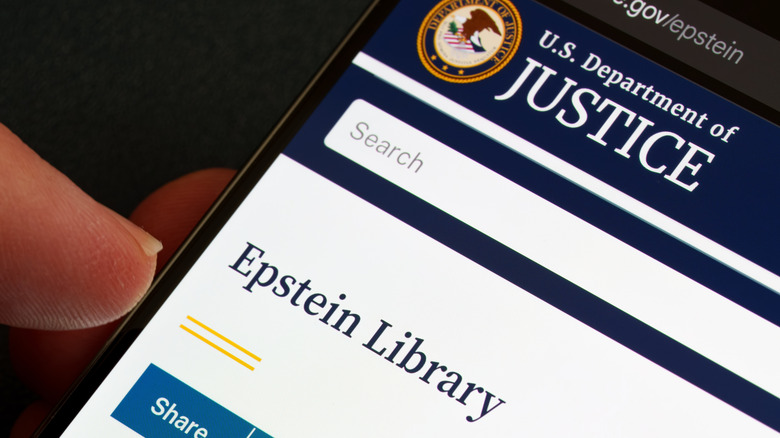
Document redactions have been in the spotlight lately thanks to the US Justice Department's Epstein file release, which used it to black out text in millions of documents. Now, the government plans to use AI to handle that redaction chore for Freedom of Information Act (FOIA) requests, according to GitHub documents seen by The Washington Post.
Those documents state that US Customs and Border Protection, part of the Department of Homeland Security, will use Google's AI tools to recommend information that FOIA officers should redact. By the end of September, the DHS will use AI for documents that make up over 10 percent of FOIA requests, around 100,000 to 140,000 in all.
Following those recommendations, DHS employees will review the cases to ensure the requester gets what the document calls "accurate and complete" information, an interesting term considering the potential redaction. "[T]his automation is expected to significantly reduce processing times," the description states.
As part of its research, the Post discovered redaction-related AI tools in use or development by other agencies. The Interior Department uses Microsoft tools to redact potential attorney-client information, while the DoJ is using a Veriton tool called aiWARE to redact video. The Health and Human Services division (HHS) is developing its own tool, FRED, to redact unknown information. "FDA is responsibly exploring limited uses of AI to help FOIA staff process records more efficiently," a spokesperson told the Post.
Though the government is touting the tools as a way to save time, it could lead to even more blacked-out or missing documents. "I think we have to watch the government really carefully on how they use AI to redact records, because I think it's going to be a very powerful tool for secrecy," a FOIA expert at the University of Florida told The Washington Post.