

NVIDIA and Google's new coalition wants to speed up AI data center power grid connections
In exchange, the facilities would reduce power usage during peak demand.
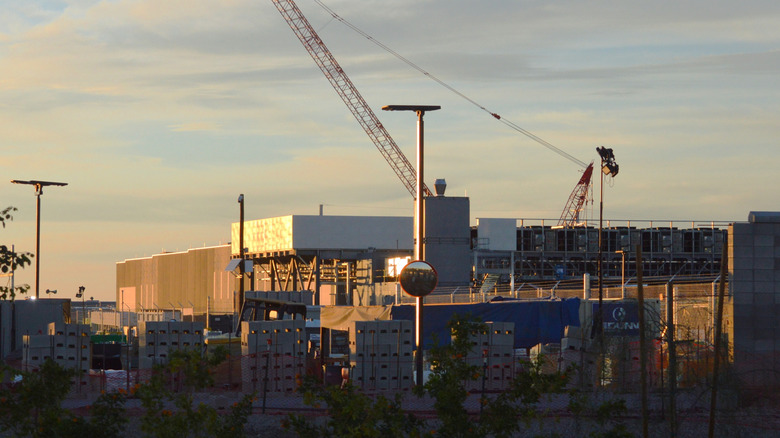
NVIDIA, Google and Emerald AI have launched a new coalition called the AI Energy Management Alliance (AEMA), the companies announced. The aim is to promote more flexible AI data centers that won't be disruptive to electricity grids or require massive, taxpayer-funded upgrades. In exchange, the coalition wants utility operators to connect their data centers faster.
As NVIDIA explains in its own blog post, US power infrastructure was built for "flat, static electricity demand" and not for computing centers that can moderate power usage. To that end, the companies want to set a standard for flexible data centers that can shift computing workloads, discharge storage and respond to system contingencies, making it a "controllable resource rather than an inflexible load."
Emerald AI, a startup dedicated to making data centers more flexible, explained the new coalition's purpose in a Fortune article. New US data centers can wait a decade or more for a grid connection, because utilities need to ensure they have enough capacity to serve everyone when demand is highest, "including on sweltering afternoons when air conditioners are running full tilt," CEO Varun Sivaram wrote. At the same time, the grid is only 50 percent utilized on average, so if "AI data centers were flexible during the grid's worst hours of the year, America could unlock 100GW on our existing grid for flexible data centers."
To that end, AEMA is suggesting principles like "setting clear rules for facilities regarding staying connected during brief grid disturbances, reducing power use when needed and responding to emergencies." Technical requirements, performance metrics and operational data sharing would also be standardized. As a tit-for-tat, grid operators would connect data centers to the grid more quickly while potentially sharing costs. Some of the technology the group is proposing are batteries that carry facilities through peaks, on-site generation to support demand and software than can "slow, pause or shift less urgent computing."
The coalition is likely a response to a massive public backlash against AI data centers that politicians are starting to realize could affect their future electability. AEMA doesn't really address the massive amounts of pollution created by these data centers thanks to their energy demands, nor the noise and general disturbance to the neighboring communities. Rather, it wants to ensure that it gets data centers connected more quickly, in exchange for creating less of a hassle for regional electrical grids.
To that end, it will also serve as a lobbying arm for big tech. "AEMA will press this case in state capitals and in Washington. Our ask of governors, regulators and federal policymakers is simple: offer data centers that commit to flexibility a faster and larger grid connection — and hold them to it," Sivaram wrote. Given current anger in communities over AI data centers, the public may not quite see it that way.