

Phone makers ditched 3.5mm for USB-C, but which one offers better audio quality?
There's a lot more to it than just the port.
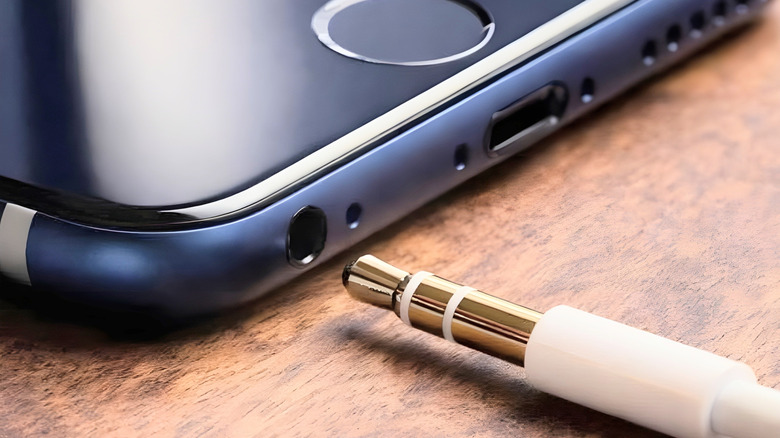
For years, the 3.5mm headphone jack was an expected, default feature on every iPhone or Android device. This tiny, round descendant of the 6.35mm "phone plug" carries a converted analog audio signal from the phone to the preferred listening device. Its simplicity is rivaled only by its universal acceptance, and it remains a staple feature in many devices.
Apple removed the headphone jack from the iPhone 7 in 2016 and pushed users toward Lightning connections. The following year, Google followed suit, removing the jack from the Pixel 2 and opting for USB-C. Samsung brought up the rear, doing the same in 2019. Industry shifts and EU regulations eventually forced Apple to drop its proprietary Lightning port and join the USB-C crowd with the release of the iPhone 15.
Sony is still hanging in there, however, releasing the Xperia 1 VIII with a 3.5mm headphone jack in June 2026. Plus, there are still a few mid-tier and budget smartphones out there willing to buck the trend. For the rest, the USB-C port handles charging, data transfers and wired audio.
How USB-C and headphone jacks handle sound differently
The major difference between a 3.5mm jack and a USB-C is where the audio conversion takes place. With 3.5mm, digital audio is converted into an analog signal (digital-to-analog, or DAC) before it leaves the phone. The quality of the phone's DAC and headphone amplifier plays an immense role in how impressive the sound is.
USB-C, on the other hand, is generally the opposite. The phone sends a digital audio signal through the port, and a DAC built into the earbuds, headphones or USB-C to 3.5mm adapter converts it into an analog signal. The former takes place internally, and the latter takes place externally. This is why most smartphones on the market require an "active" adapter with a built-in DAC to turn a digital signal into sound. Some phones also support an "Audio Accessory Mode" that can repurpose the USB port for analog passthrough.
Neither connector has a magical formula that catapults audio to premium status. USB-C can produce excellent audio if the external DAC and amplifier are high-quality. At the same time, 3.5mm output can outperform expectations if the phone has a premium DAC and amp.
Which is better depends on what you own
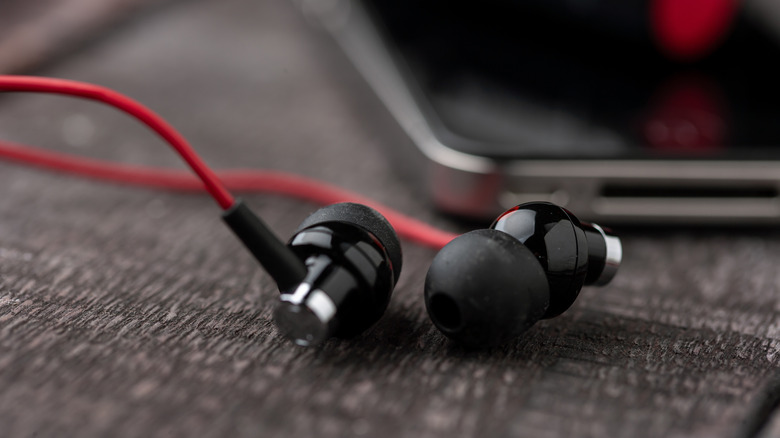
A 3.5mm is still very convenient and broadly compatible. Those familiar, round 3.5mm ports are still found in cars, laptops, speakers, TVs, PCs and more. One set of wired headphones can connect directly to all those devices, so 3.5mm remains convenient and universal. In fact, that simplicity is why 3.5mm headphones are still relevant and fairly popular.
In terms of pure audio potential, USB-C is more capable, as long as the phone is paired with good-quality hardware. A premium USB-C DAC adapter will deliver a cleaner, more powerful signal than a phone's built-in 3.5mm output, especially with more demanding over-ear headphones. However, a basic USB-C adapter offers no meaningful advantage over a headphone jack. Poor-quality components, like cheap USB-C adapters or earbuds, will likely sound worse.
For the average listener using decent equipment, there won't be a profound difference in the overall audio experience, though USB-C is certainly the more capable of the two. Neither is inherently superior in every phone and headphone combination, but 3.5mm still offers an easier, more universally compatible experience.