

The pros and cons of using a digital wallet
Digital wallets aren’t perfect, but that shouldn’t keep you from using them.
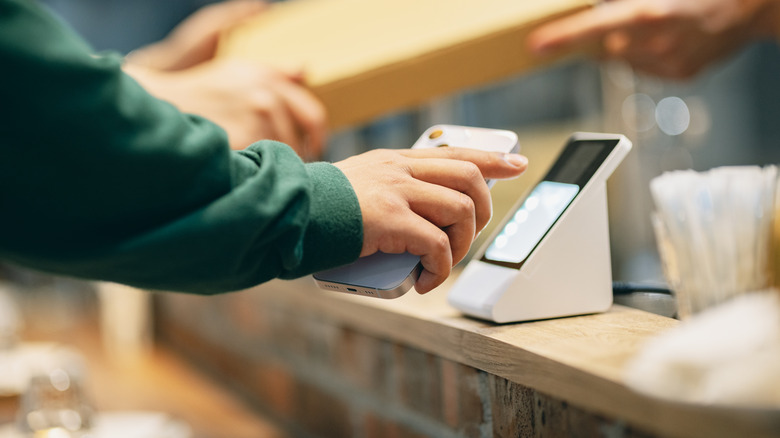
In roughly a decade, digital wallets like Apple Pay and Google Wallet have gone from niche options at cutting-edge businesses to accepted payment methods almost everywhere. You're encouraged to fill your virtual wallet with credit cards when setting up a new phone, and nearly every major card company participates.
There's no "best" digital wallet to use, as the ones available to you depend on your devices. Apple Pay is the option on the company's platforms; on Android, it's Google Wallet. Samsung device owners can also try Samsung Pay, which has better integration with those phones but isn't as widely compatible as Google's offering.
Digital wallets have a lot of benefits, along with a few limitations to be aware of. You don't want to be met with a bad surprise when you try to pay, which is why digital payments should rarely be the only option you have on hand. Putting a few payment methods in your phone's wallet is worth having as a backup to start, but you'll probably want to take full advantage once you get used to digital payments and begin discovering their under-the-surface benefits.
Conveniences of digital wallets
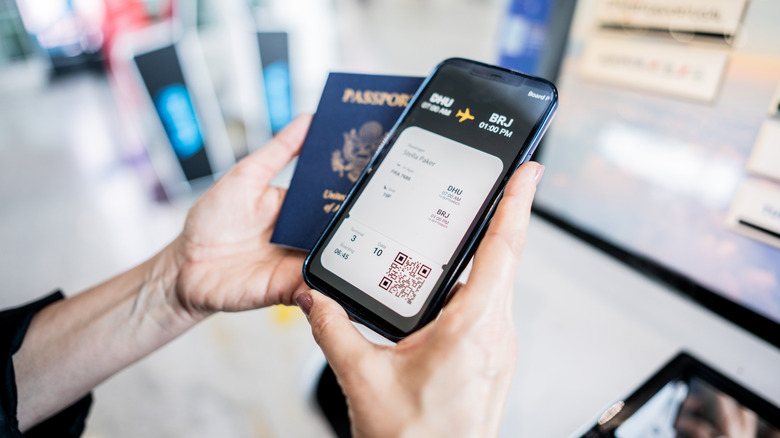
Having your payment cards on the same device you already carry everywhere means you can slim down your wallet or even avoid carrying it entirely in some cases. If you use one card for a specific retailer, you don't have to keep it on you all the time. Or if you have many credit cards to take advantage of different reward programs, digital wallets let you pick the right one for the most cash back. Speed is also a part of this; touchless payments are near-instant compared to waiting several seconds for a chip reader. And with the Apple Watch and many Android smartwatches, you can even pay from your wrist instead of your phone.
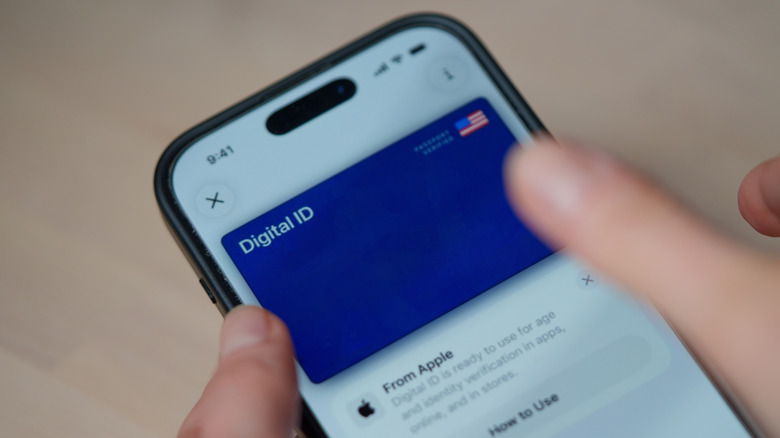
Digital wallets aren't limited to credit and debit cards, either. Concert tickets, store loyalty cards, flight boarding passes and digital hotel room keys are some of the other items they can hold. Look for the Add to Apple Wallet or Add to Google Wallet button in compatible apps to keep them all in one place. In certain states, you can even add a digital ID to Apple Wallet or Google Wallet. Compatible cars offer digital keys, too.
Aside from in-person transactions, transactions on your phone (and other devices) are also more convenient with digital payments. In participating apps and websites, you can check out with Apple Pay (or similar platforms) in one step. There's no need to fill in your card details and contact info on every new site, which saves time and prevents typos.
The security benefits of digital wallets
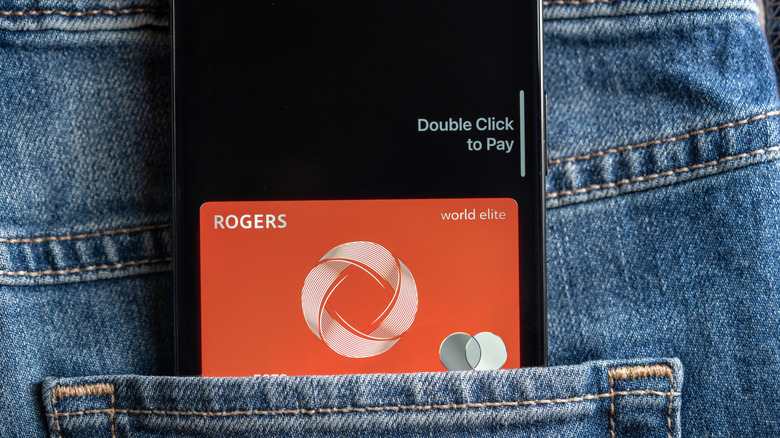
The other major value of digital wallets comes from their security features. If someone steals a physical card, they can use it to make smaller purchases that usually don't require authentication. Many stores don't even ask for a signature, let alone check to make sure it matches what's on the card. In contrast, someone who steals your phone can't use your digital payment methods since they're protected by your device PIN or face/fingerprint scan.
Mobile payments offer the same security protections as chip cards or contactless card tapping. These methods create a one-time transaction ID (known as tokenization) that's useless if stolen, instead of exposing all the actual card data like swiping the magnetic strip does. However, digital wallets add another layer of security by storing a unique number for each card that's not tied to the real one.
Contactless payments with your phone also reduce the potential risks of physical card usage. If a chip reader fails, you might swipe the card as a fallback, which is the easiest method crooks can use to skim card info. While minor, there's also no risk of you forgetting to put your phone back into your pocket, compared to accidentally leaving a card in the chip reader.
If you lose your phone, you can mark it as such using the online portal to disable card access. Marking one device as lost doesn't remove cards from other devices (so you can continue to use Apple Pay on your Mac with a lost iPhone, for example). You can similarly disable a lost credit card through an online bank account, but this requires waiting for a replacement card to come in the mail, and the old one will be shut off everywhere you use it.
Finally, keeping your payment details in one wallet reduces your attack surface compared to typing them into every website you shop at. Every place you allow to save your payment details is another that could expose them if it gets hacked.
Potential downsides of digital wallets
Digital payments aren't accepted everywhere, which is why it's always a good idea to carry at least one physical card along with some cash. Even if a retailer accepts credit cards, the readers might not have the NFC scanners needed for mobile payments. When you're shopping at unfamiliar locations, you don't want to be locked out of a way to pay.
Tools like Apple Pay and Google Pay work even when your phone doesn't have an internet connection. However, they do require your device to have power, so if you run out of battery, you'll need another payment method. A small exception is Apple Pay's Express Mode feature that allows digital car keys, transit tickets, and other passes to scan even when your device is locked or out of battery. Apple says this works for "up to five hours" after your device shuts off from low battery, but it doesn't work if you turn off your phone manually.
Most potential security risks from digital wallets come from social engineering, not flaws within the platforms themselves. Someone is more likely to try tricking you into sending them money via Apple Cash than to break into your Apple Pay setup. Other general security advice applies, too. For instance, it's better to use credit cards instead of debit cards in mobile wallets, since credit card fraud doesn't immediately take your own money.