

The Philips Skylight lets you recreate natural daylight anywhere in your home
There’s even an optional UV-B module that claims to boost your body’s Vitamin D production.
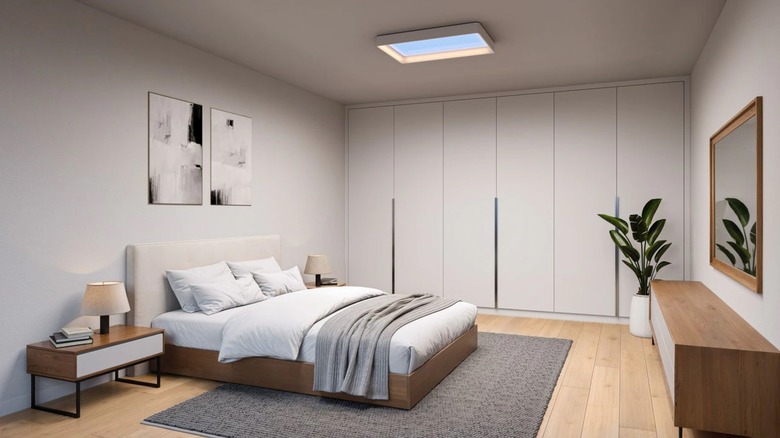
Ideally, every room in your home would have access to natural light, but the real world doesn't work like that. The new Philips Skylight, however, can recreate simulated sunlight anywhere you want.
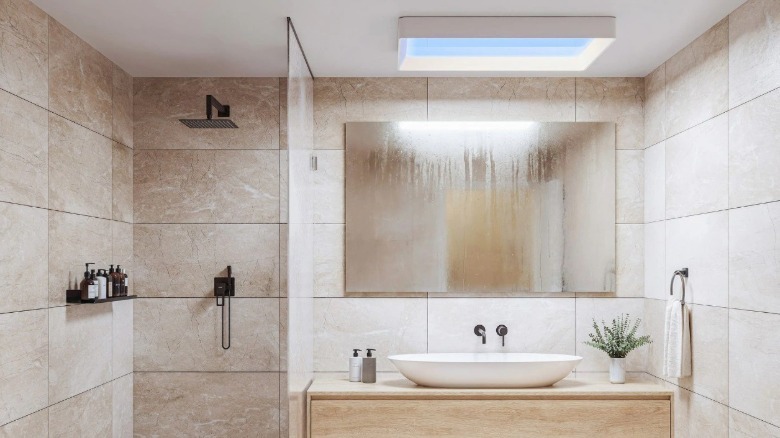
As its name suggests, Philips's latest lighting creation is designed to be an LED-powered faux skylight that can be mounted anywhere you have a flat surface. It's available in two sizes (medium and large) and uses Philips parent company Signify's NatureConnect tech to reproduce the natural brightness and color tone of actual daylight. And because the light features an IP44 rating for dust and water resistance, you can even put it in a bathroom or somewhere else that may get a bit damp.
There's also a rhythm feature the company says can automatically adjust the intensity and temperature of the light throughout the day to more closely mimic the sun, including using cooler shades in the morning and warmer hues in the afternoon and evening. Alternatively, if you want a specific type of light, there are also five presets ranging from focused daytime to evening ambiance.
Philips is also making a version of this device (in both medium and large sizes) called the Skylight VitaUp with a module that produces UV-B rays, which the company says can boost the body's ability to produce Vitamin D. Thankfully, this model also includes integrated safety controls that can do things like automatically turn it off after eight hours to prevent anyone from getting sunburned.
 Philips
While this device comes from Philips and Signify, it's not a Hue product, so it doesn't come with smart functionality like Wi-Fi, Matter or Zigbee connectivity. You'll also need to rely on its bundled remote to control the light, as there isn't an easy way to connect it to a traditional wall switch.
Another potential bummer is that while it's slated to go on sale in Europe starting at 500 euros sometime later this month, there's no word yet on if it's coming to the US.