

YouTube's AI deepfake detection tool is now available to all creators 18 and older
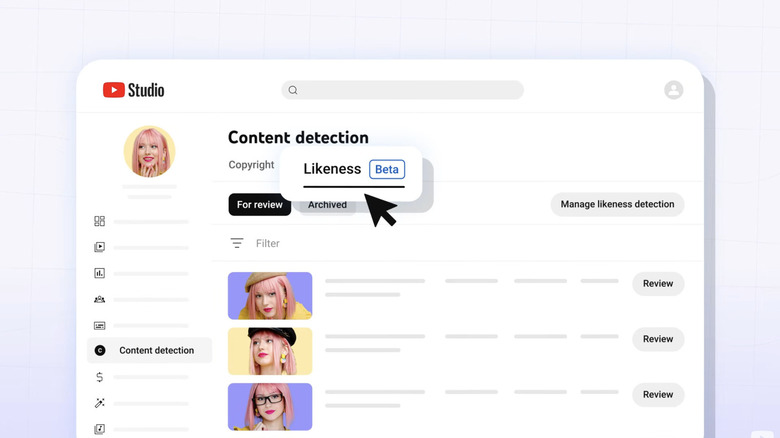
In the coming weeks, YouTube is giving all creators 18 and over access to a tool that can detect whether their likeness has been copied and used in AI videos uploaded to the website. Team YouTube made the announcement on the platform's community page, explaining that their "goal is to provide [users] with more peace of mind by giving [them] easy access to request the removal of unauthorized content." While the likeness detection tool is technically only available to creators, spokesperson Jack Malon told The Verge that anybody can use it.
"With this expansion, we're making clear that whether creators have been uploading to YouTube for a decade or are just starting, the'll have access to the same level of protection," Malon said in a statement. It's getting harder and harder to differentiate between real and AI videos these days, and the tool's wider availability could end up helping even ordinary people who suddenly find their faces used in potentially malicious or misleading AI videos. For creators, this could help them catch brands and companies using their likenesses without permission to promote products and services.
YouTube first previewed the tool in 2024 before rolling it out in late 2025. It was launched exclusively for Partner Program members, creators who have monetized their channels after gaining 1,000 followers and accumulating enough watch hours or Short views from the public within a certain span of time. YouTube then made the tool available to journalists and politicians before this expansion.
Users who want access to the new tool will have to enroll from YouTube Studio on their computer. They can start the process by going to "Likeness" under "Content detection," scan a QR code with their phone, submit a government ID and complete a selfie video verification. Once they're set up, YouTube will scan uploaded videos for possible matches of their face, and they'll see any video that potentially uses their likeness under the same tab. They can then review the video and submit a removal request, where they can provide YouTube with information on how their likeness was used. YouTube will also ask if the video copied their voice for evaluation, but the tool itself can't make detections based on voice alone.